
Slate sizes and colours
Fibre cement slates are 600 × 300 mm as standard, 4 mm thick, in black, blue-black and graphite. Natural slates are commonly 500 × 250 mm, in blue-grey from Spain and heather from Penrhyn in Wales, and older roofs use named sizes from Kings at 36 × 20 in. to Doubles at 12 × 10 in.
The sizes in use today, the old named ones and the colours on sale.
Free and no obligation. Your request goes to one roofer in your county, not a list.
- 600 × 300 mmfibre cement, standard
- 500 × 250 mmnatural, common
- 36 × 20 in.a King, the largest named size
- 12 × 10 in.a Double, the smallest
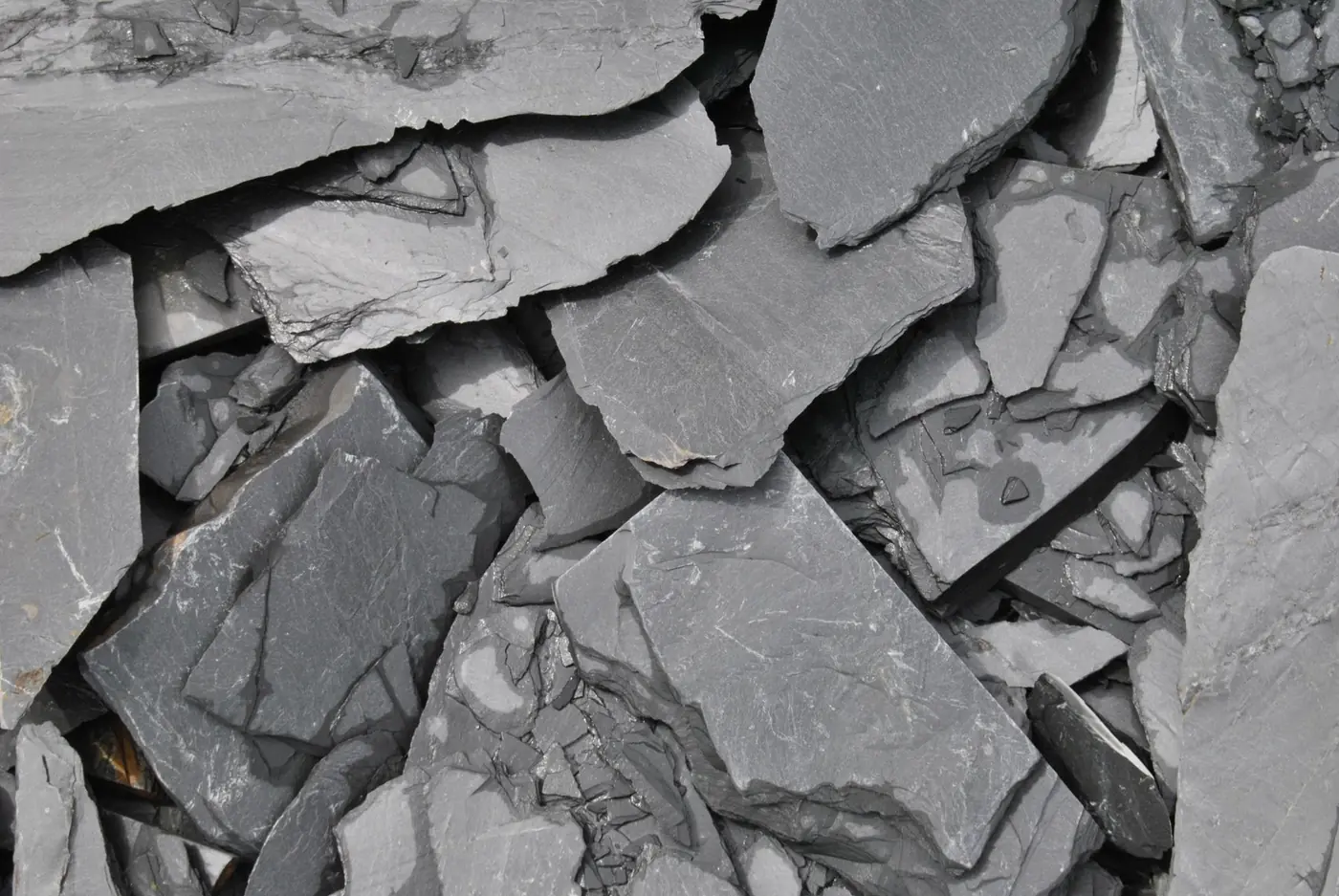
Sizes
The bigger the slate, the fewer there are to lay, and the pitch it needs changes with it. The size and the pitch together set the gauge.
Price your slate roof
Three taps and the price shows as you go. Your name and number come last, and only if you want a roofer to price it.
A new slate roof, semi-detached house, matching the slate that is there: €8,000 to €18,000.
How the price is worked out
Each figure is a range from Irish price pages. A whole-roof range comes from a roofing price guide and covers a re-roof of a house of that type. Where the roof area decides the price, you see a rate a m² instead. Repairs, ridge and flashing work and cleaning show the ranges for those jobs. Where nobody publishes a figure, it reads priced on a visit. Use it to plan with. It isn't a quote: a roofer prices yours after looking at the roof.
Colours
Black
fibre cement
Smooth and textured faces.
Blue-black
fibre cement
The common one on new fibre cement roofs.
Graphite
fibre cement
A grey-black, structured face.
Blue-grey
natural, northern Spain
A coarse-textured natural slate.
Heather
natural, Penrhyn
The colour of Blue Bangor.
Mixed
Irish natural slate
Native slate has a wide range of colours and textures.
Matching what is on the roof
The heritage guide says to work out the size and the source of the original slate before you buy. A slate that is thicker gives the roof a kick, and the large slates at the eaves of an older roof should be salvaged and put back. A damaged large slate can be cut down to a smaller usable size.
For the old roofs: Blue Bangor slate. For new: fibre cement slates and natural slate.
Other slates and parts to look at
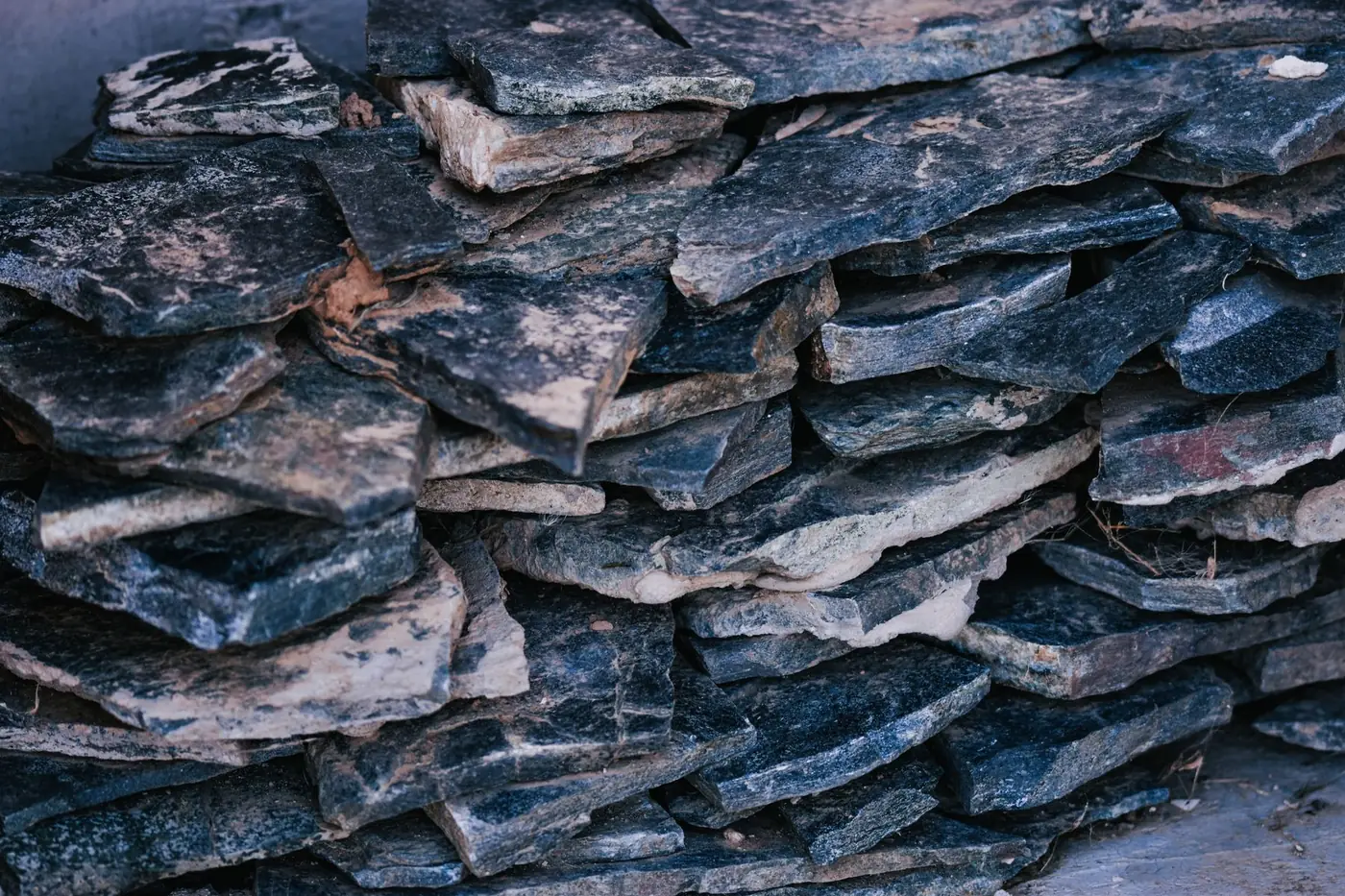 Natural slateCut from rock and split by hand or machine. Laid, €95 to €180 a m².
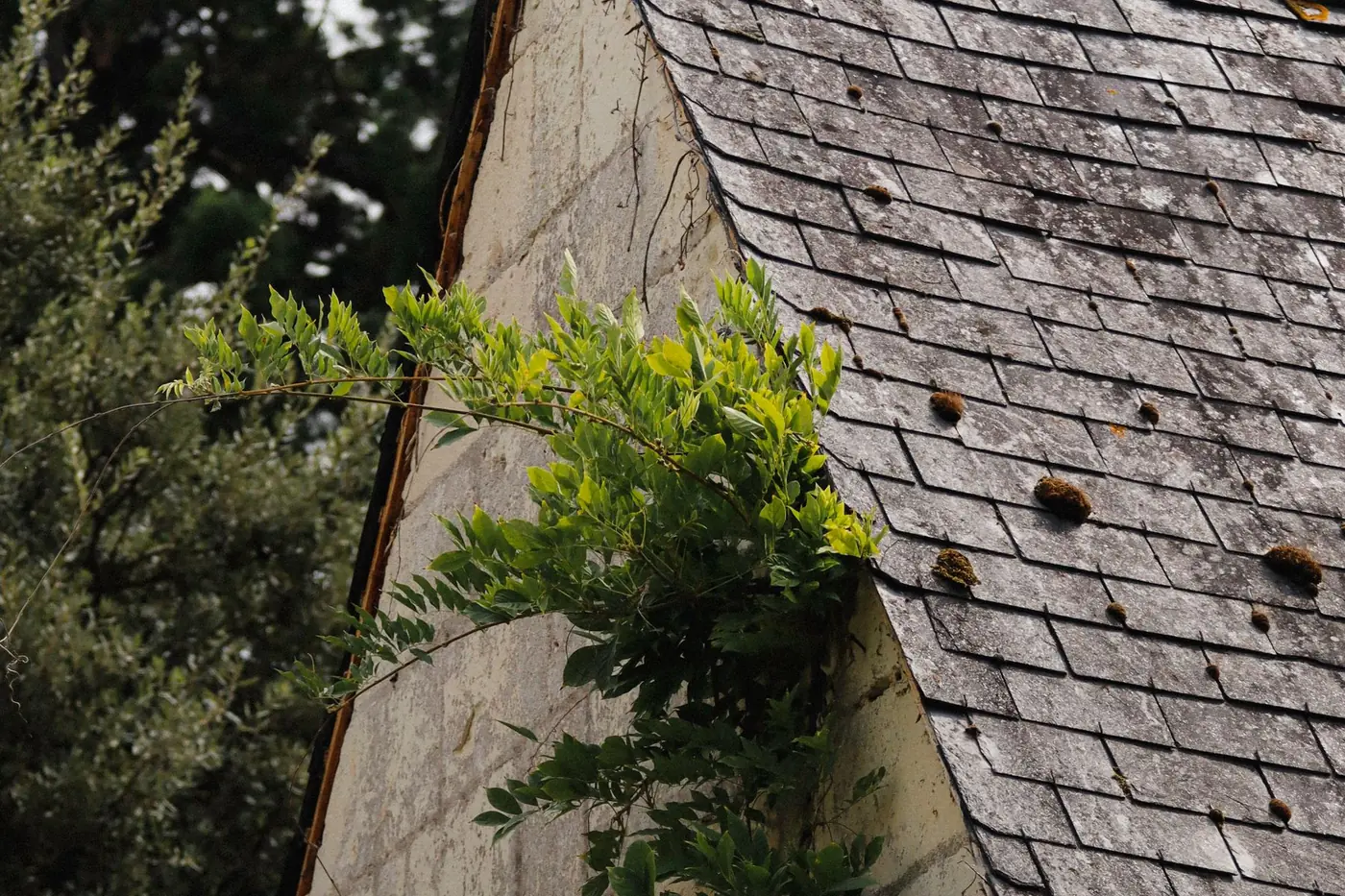 Blue Bangor slateThe Welsh slate on a lot of older Irish roofs, and the one people ask for by name.
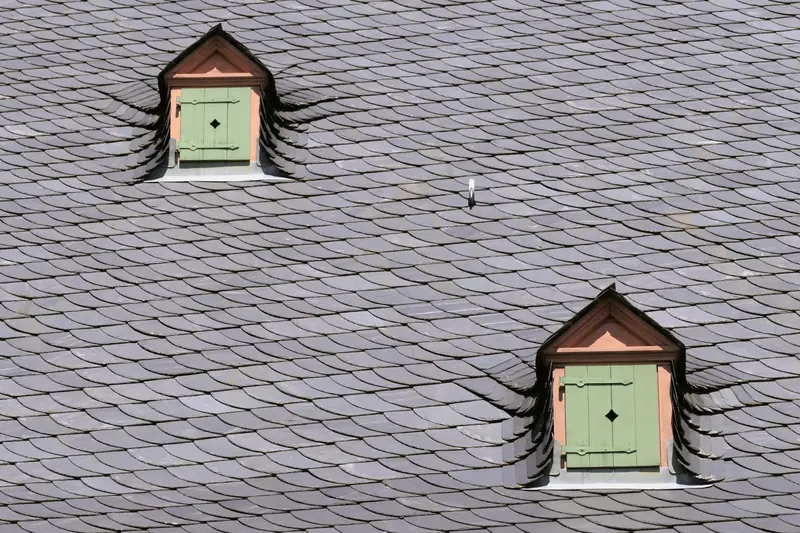 Fibre cement slatesMade to look like slate, 4 mm thick. Laid, €40 to €60 a m² before VAT.
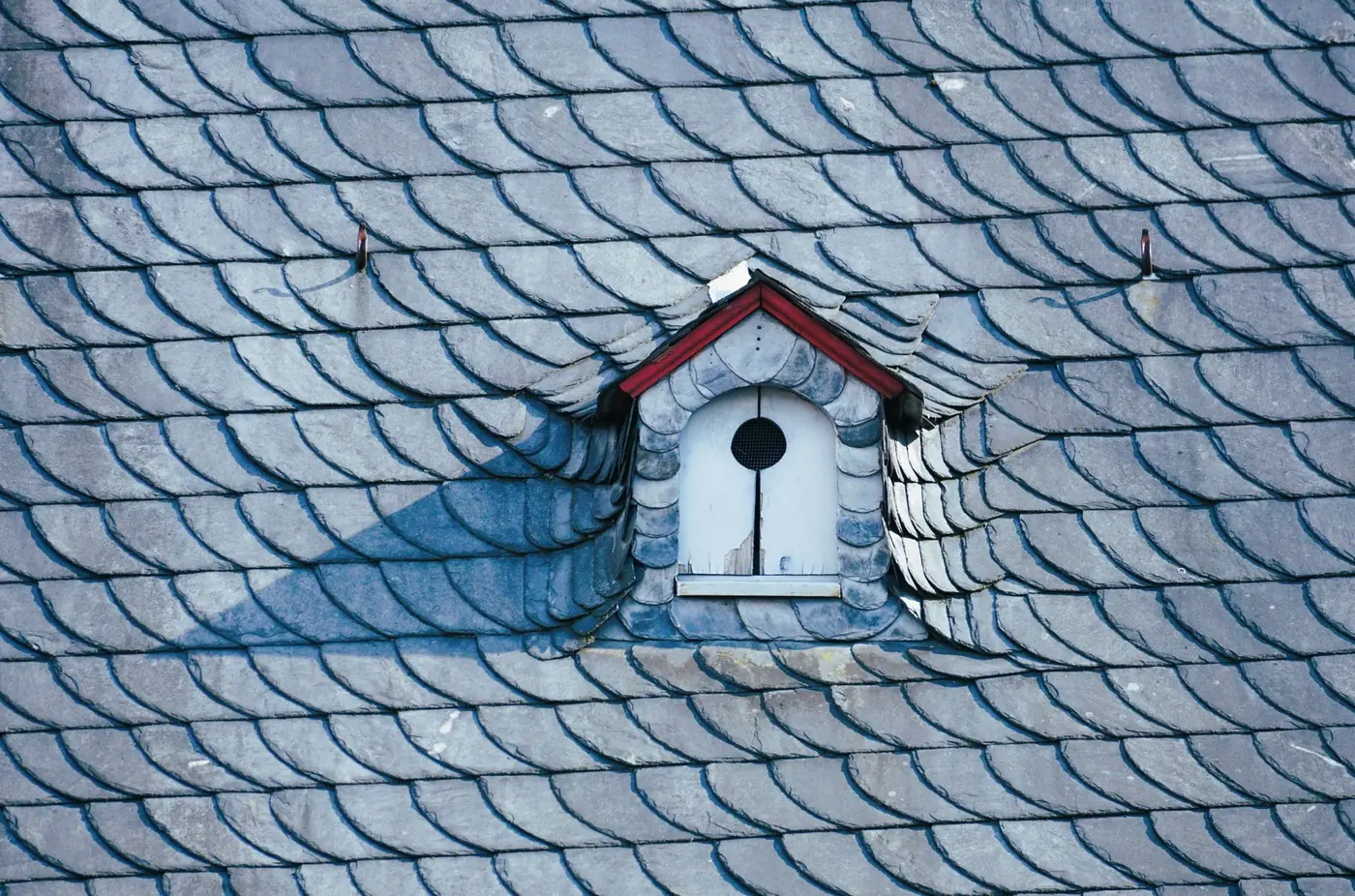 Slate roof tilesWhat the trade calls a slate and a shopper calls a tile, and the sizes they come in.Slate effect sheetsSheets and boards that give a slate look for sheds, garages and extensions.
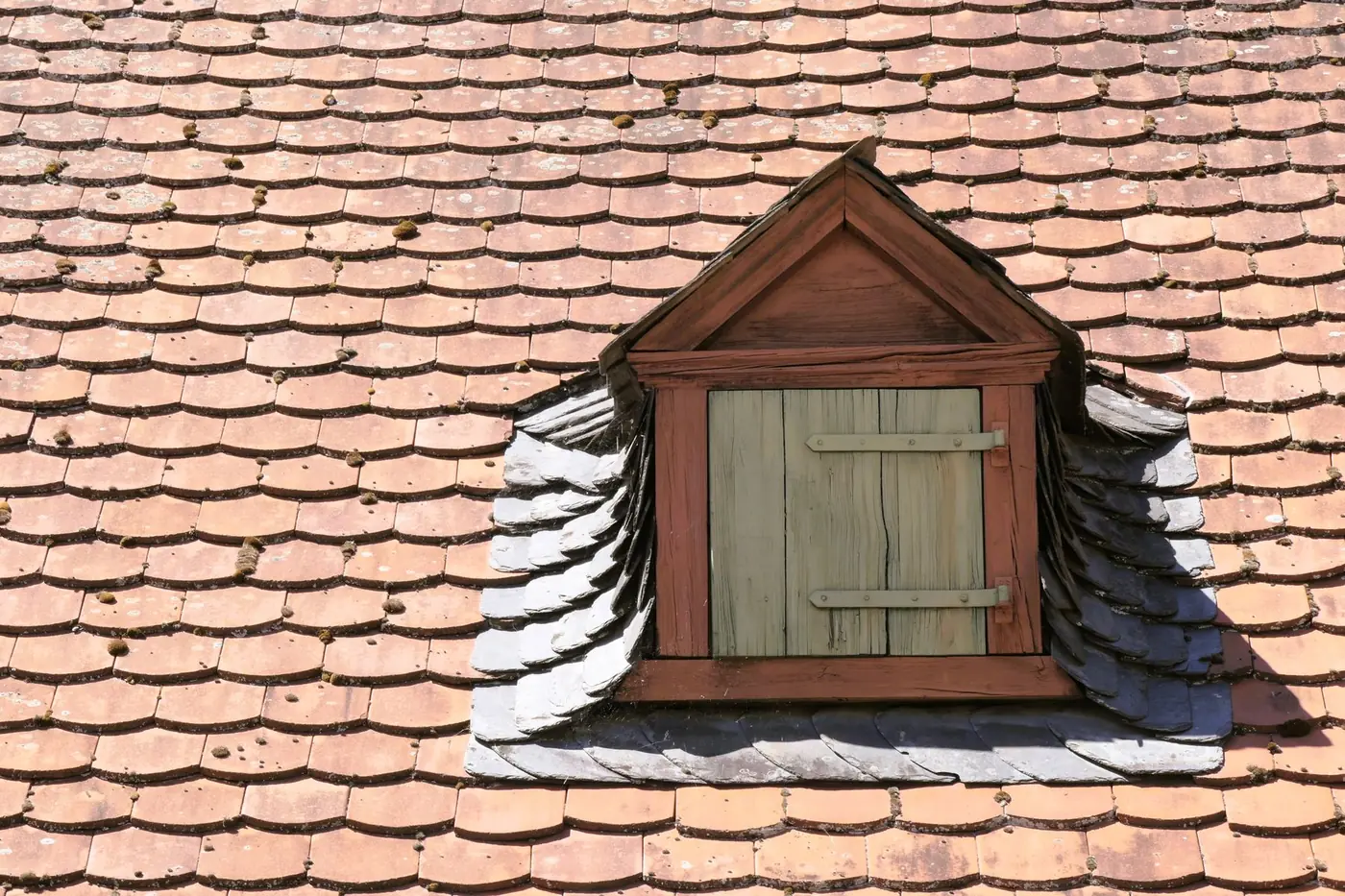 Slate or tileNatural slate runs 80 to 100 years. Concrete tiles run 40 to 60 years.
Questions before you book
What size are roof slates?
Fibre cement slates are 600 × 300 mm as standard, 4 mm thick, in black, blue-black and graphite. Natural slates are commonly 500 × 250 mm, in blue-grey from Spain and heather from Penrhyn in Wales, and older roofs use named sizes from Kings at 36 × 20 in. to Doubles at 12 × 10 in.
What is the standard roof slate size?
600 × 300 mm for fibre cement, and 500 × 250 mm is common in natural slate.
What colours do roof slates come in?
Black, blue-black and graphite in fibre cement. Natural slate runs from blue-grey to heather and varies by quarry.
What is a King slate?
A named historic size, 36 × 20 in., the largest. Doubles at 12 × 10 in. are the smallest.
Can I mix slate sizes?
Older roofs have graded courses, with larger slates at the eaves. A roofer should keep them if they can.
Everything on this site
Costs and jobs
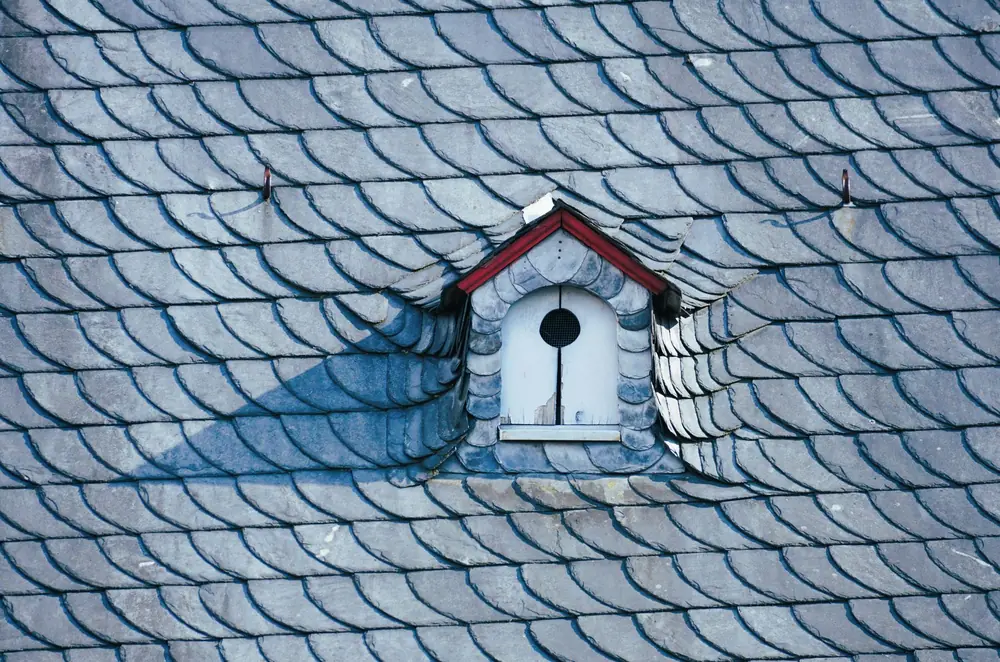
See the price before anyone rings
Pick the job, the house and the slate. When you want a firm price, it goes to a single roofer in your county.